
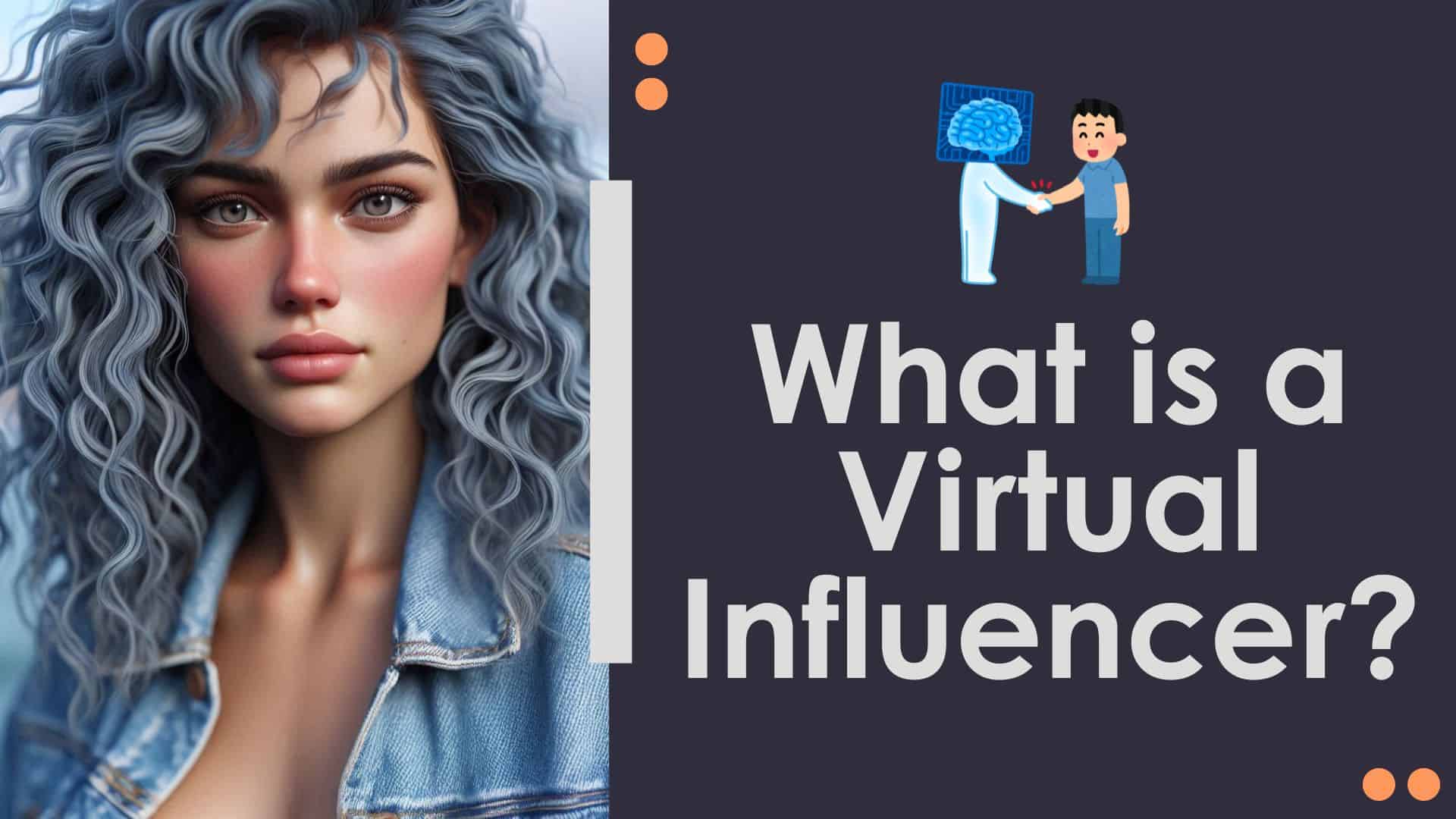
The digital landscape in 2025 is evolving faster than ever, and one of the most fascinating phenomena is the rise of virtual influencers. Unlike traditional influencers who are real human personalities, virtual influencers are computer-generated characters powered by artificial intelligence (AI) and sophisticated 3D modeling. These digital avatars are taking over social media platforms, promoting products, and even interacting with fans in ways that rival or surpass their human counterparts.
Interestingly, just like how online platforms such as togelslot88 login have transformed digital entertainment, virtual influencers are transforming the way brands and audiences engage online. The blend of technology, creativity, and marketing is paving the way for a new digital economy.
What Are Virtual Influencers?
Virtual influencers are fictional characters created using computer graphics and AI. They can be designed to look hyper-realistic or stylized like animated characters. Some of the most famous examples include Lil Miquela, Imma, and Shudu.
Unlike real people, these avatars never age, never get tired, and can embody any personality that creators or brands envision. Their popularity is rooted in novelty, consistency, and the ability to maintain a carefully crafted identity without the unpredictability of human flaws.
Why 2025 Is the Tipping Point
Several factors explain why 2025 marks the tipping point for virtual influencers:
-
AI Advancements
With generative AI becoming more powerful, virtual influencers can now generate real-time conversations, video content, and even personalized responses. -
Consumer Acceptance
Gen Z and Gen Alpha audiences are already accustomed to digital identities in gaming, metaverse platforms, and AR/VR experiences. For them, following a digital persona is natural. -
Brand Strategy
Companies see virtual influencers as a low-risk, high-reward investment. Unlike human influencers, they do not engage in scandals, and their image is fully controlled by the brand. -
Global Reach
Virtual influencers can speak multiple languages, adapt their style instantly, and engage with audiences across cultures without barriers.
This digital revolution mirrors the rise of other online trends like togelslot88 login, which highlight how technology creates new forms of interaction and trust in the digital space.
Benefits for Brands
Brands are investing heavily in virtual influencers because of several advantages:
-
Full Creative Control – Brands can decide every word, look, and action.
-
24/7 Availability – Virtual influencers don’t sleep, so they can post, stream, or engage anytime.
-
Scalability – A single influencer can appear in countless campaigns across multiple regions at once.
-
Cost Efficiency – Although initial creation is expensive, long-term campaigns with a virtual influencer can cost less than contracts with high-demand celebrities.
For industries like fashion, gaming, and lifestyle, virtual influencers are not just a trend but a strategic shift in advertising.
Challenges and Ethical Concerns
However, the rise of virtual influencers is not without controversy. Some of the main challenges include:
-
Authenticity
Critics argue that audiences may feel deceived when they realize their favorite influencer isn’t real. Maintaining transparency is key. -
Unemployment in Influencer Economy
As more brands shift to AI-powered avatars, real influencers may face reduced opportunities. -
Ethical Dilemmas
Who owns the identity of a virtual influencer? Can a brand be held accountable if an AI-generated influencer unintentionally promotes harmful behavior? -
Data Privacy
Since AI influencers rely on massive amounts of data to engage authentically, concerns about user privacy are rising.
These issues mirror challenges faced in other digital ecosystems, including gaming and betting platforms such as togelslot88 login, where trust and regulation play crucial roles.
The Consumer Perspective
Despite concerns, many consumers embrace virtual influencers. For them, entertainment and engagement matter more than whether the influencer is human. Surveys in 2025 show that nearly 60% of Gen Z users are willing to follow and interact with a digital influencer, provided the content is engaging and authentic.
Virtual influencers also blur the line between storytelling and advertising. Fans often see them as characters in an ongoing narrative rather than mere promoters. This makes brand messages feel more like entertainment than marketing.
Future Outlook
Looking ahead, the future of virtual influencers in 2025 and beyond looks promising. Trends indicate that they will become:
-
Integrated into the Metaverse – Virtual influencers will host events, concerts, and shopping experiences in fully immersive digital environments.
-
AI-Driven Personalization – Instead of one-size-fits-all campaigns, influencers will generate personalized messages for each follower.
-
Cross-Industry Collaborators – Beyond fashion and beauty, industries like finance, education, and gaming may adopt them as digital ambassadors.
-
Hybrid Partnerships – Some campaigns will blend human influencers with their digital counterparts, offering the best of both worlds.
Just as platforms like togelslot88 login innovate within online entertainment, virtual influencers are redefining the broader landscape of digital engagement.
The rise of virtual influencers in 2025 is not just a passing fad; it’s a structural transformation in how digital marketing operates. Combining AI, creativity, and storytelling, these avatars represent the next evolution of online influence.
While challenges around authenticity and ethics remain, their benefits for brands and appeal to younger audiences make them an unstoppable force. Much like innovations in online entertainment such as togelslot88 login, virtual influencers reflect how technology continuously reshapes our culture, our economy, and the way we connect with one another.
As we move further into the digital-first era, one thing is clear: the influencers of tomorrow may not be human—but they will be just as powerful, if not more.
Read Also: Snowball Cookies Recipe | Christmas Cookies
0 Comments